
Whether you’re outfitting an open-plan office in New York or a co-working space in Austin, acoustic pods have become one of the smartest investments in modern workplace design. But with rental options now widely available, it’s easy to end up with a pod that looks great in photos and underperforms in real life. Here’s what to actually evaluate before you sign.
1. Acoustic Performance — And How It’s Measured
Not all “soundproof” pods are created equal. The single most important spec to look for is the dB noise reduction rating, and ideally you want that rating to come from a certified lab test — not just a manufacturer’s marketing claim.
A well-engineered pod should achieve at least 35–43 dB of noise reduction. At that level, a loud conversation happening just outside the pod becomes a soft, unintelligible murmur inside. Anything lower and you’ll still hear your open office bleed through during important calls.
Ask your rental provider:
- Is the acoustic rating lab-tested or self-certified?
- Does the rating apply to the full pod (walls, door, ceiling, and floor), or just the panels?
- How does acoustic performance hold up after wear and regular use?
At PodRent, every pod in our fleet achieves up to 43 dB noise reduction — among the highest lab-verified ratings in the industry.
2. Ventilation Quality
This one gets overlooked more than any other, and it’s the reason plenty of office pods feel stuffy and unusable after just 10–15 minutes inside. A sealed acoustic pod without proper airflow is essentially a quiet sauna.
Good ventilation in an acoustic pod is genuinely difficult to engineer — the airflow system needs to move enough air to keep the occupant comfortable, without creating noise pathways that undermine the soundproofing.
Look for:
- Active ventilation (a fan-driven system), not passive airflow
- Quiet operation — ideally below 35 dB for the ventilation system itself
- Airflow that refreshes the interior fully every few minutes
If a rental provider can’t tell you the ventilation spec, that’s a red flag worth taking seriously.

3. Rental Flexibility — Minimum Commitments and Notice Periods
This is where renting a pod is fundamentally different from buying one. The whole advantage of renting is flexibility, but the fine print varies a lot between providers.
Key questions to ask before committing:
Minimum rental term: Some providers lock you into 12 or 24 months regardless of your situation. Others offer short-term options starting from 3 months — useful if your team is in a transitional space, opening a new office, or just testing whether pods work for your culture.
Notice period: How much notice do you need to give to end or change a rental agreement? 30 days is standard for a flexible plan; longer periods reduce your agility.
Scaling up or down: Can you add a second pod, or swap a single-person booth for a larger meeting pod, without starting a new contract from scratch?
PodRent offers rental plans starting from just 3 months with a 30-day notice period — designed specifically for businesses that can’t commit to multi-year furniture contracts.
-
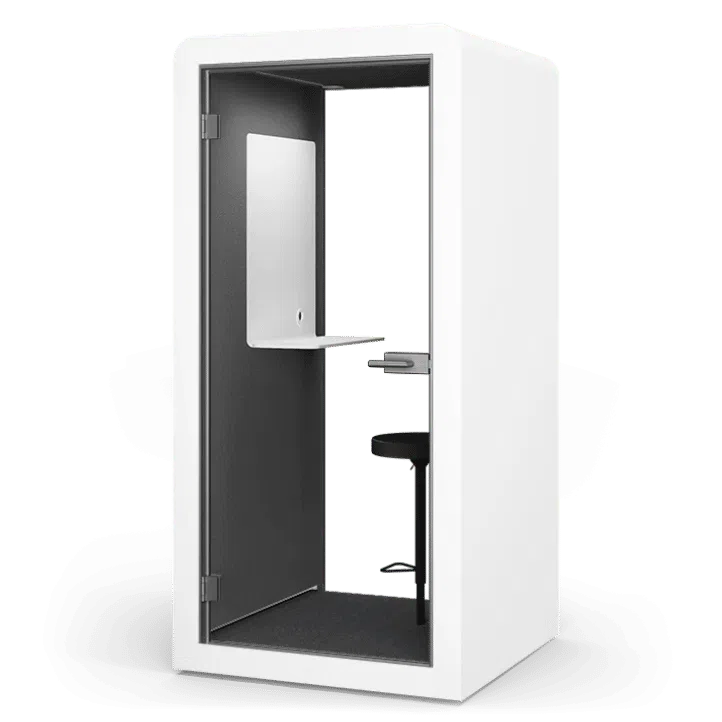
Hire Call Pod
$499.00 -
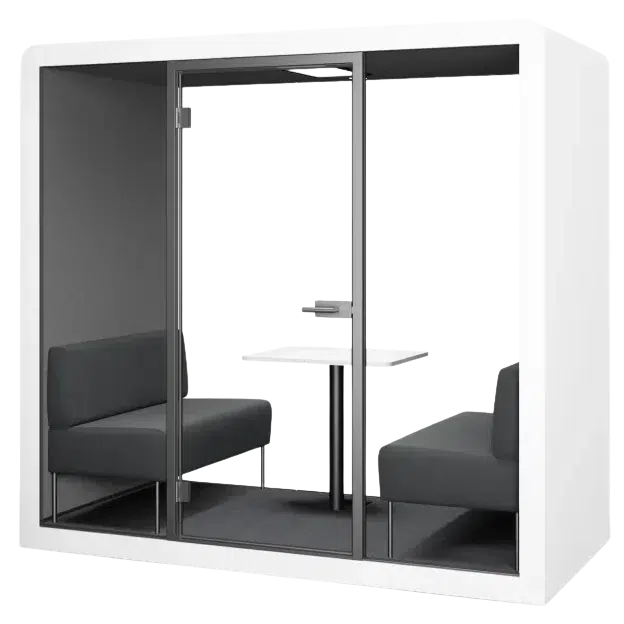
Hire Meeting Pod
$749.00 -

Hire Work Pod
$599.00
4. What’s Actually Included in the Service
“Renting” a pod sounds simple, but the logistics — delivery, installation, and ongoing maintenance — are where many providers add friction or unexpected costs.
Before signing, confirm:
Delivery and installation: Is professional installation included, or is that an add-on fee? A pod that arrives flat-packed and needs an in-house team to assemble it isn’t really a turnkey solution.
Maintenance: What happens when something breaks — a faulty light, a door seal, an air circulation issue? Is repair included in the monthly fee, or billed separately? A good rental provider should own the maintenance responsibility entirely so you’re never facing surprise invoices.
Relocation support: If you move offices during the rental period, can the pod move with you? What does that process look like, and is there a fee?
A fully managed service — where delivery, installation, and maintenance are all covered under one fixed monthly rate — is the standard you should hold providers to.
5. Size and Configuration for Your Actual Use Case
The market has settled into roughly three pod categories, and choosing the wrong one is an easy and expensive mistake:
Single-person call pods (roughly 43″ × 43″ footprint) are optimized for focused solo work and phone or video calls. They’re compact, take up minimal floor space, and are the most popular choice for open-plan offices. The trade-off: they’re not comfortable for more than one person or for sessions longer than 60–90 minutes.
Work pods (roughly 57″ × 43″) give a bit more room — enough for a proper desk setup, extended focused work sessions, or the occasional two-person conversation without feeling cramped.
Meeting pods (roughly 94″ × 48″) seat 4–6 people and replace the need for a traditional meeting room in offices where enclosed conference space is limited.
Match the pod to the primary use case, not the secondary one. If your team mostly needs heads-down focus work and the occasional video call, a single call pod fleet is almost always the right answer — even if the occasional 2-person meeting would be nice to have.

The Bottom Line
Renting an acoustic pod is a smart, low-commitment way to give your team the quiet, private space they need — but only if you pick the right one. Prioritize independently verified acoustic performance, active ventilation, genuinely flexible rental terms, a fully managed service model, and the right footprint for how your team actually works.
If you’d like to explore options for your office, browse PodRent’s range of rental pods or get in touch with our team — we’re happy to help you find the right fit with no long-term commitment required.